Warriors in Mind: A Veteran’s Guide to Mental Health, Hope & Healing

    Military & Veterans
    Sep 26, 2025
    5 min read
    By BenefitKarma Team

    Returning to civilian life can be overwhelming. This guide helps veterans understand veteran mental health and VA benefits and how to take real steps toward healing and support.

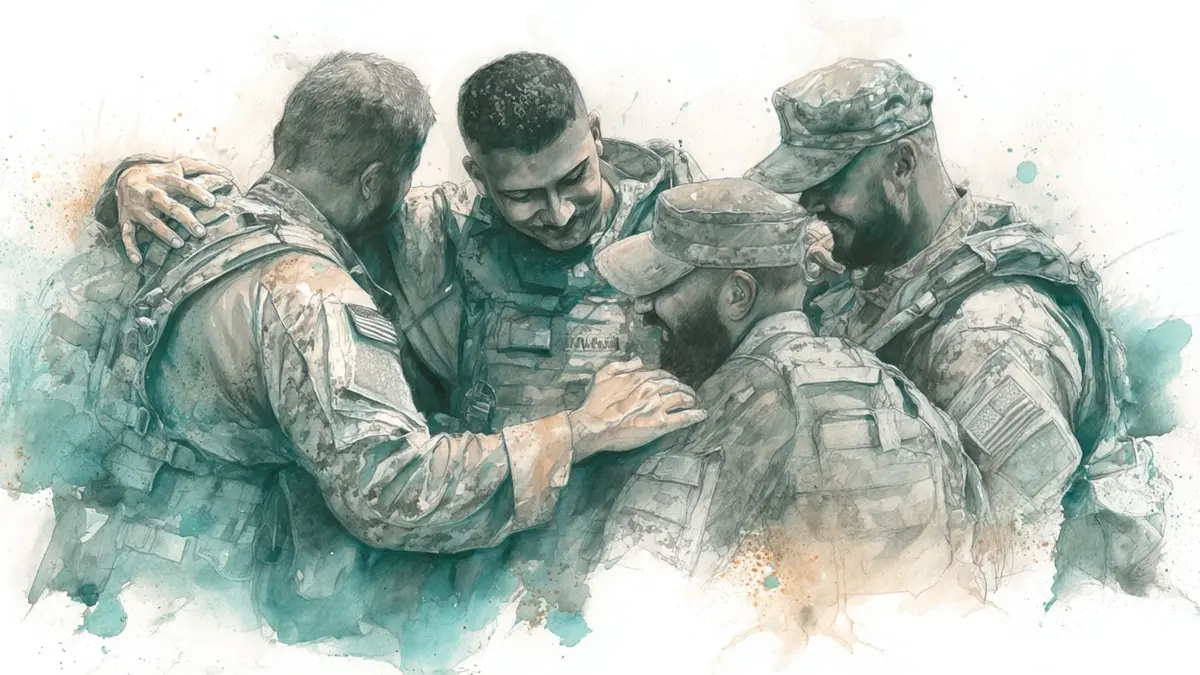
    Veteran sitting calmly outdoors representing mental health support and VA benefits

    Returning from service can feel like stepping into a different world — one where the battles aren’t always visible, and the scars aren’t always physical. If you’re a veteran reading this, I want you to know this first: you are not alone. Your experiences matter. Your feelings matter. And healing is possible.

    Below are some of the questions veterans often ask, with answers meant to inform, encourage, and point to real, actionable steps. This guide helps veterans understand veteran mental health and VA benefits and how to take real steps toward healing and support. 

    VA benefits are complicated. We make them simple.
    Get clear, trustworthy updates and tips from BenefitKarma, delivered straight to your inbox — for free.

    Subscribe to our newsletter today and take the stress out of navigating your benefits.


    Questions every veteran deserves answers to

    1. What mental health challenges do veterans commonly face?

    Veterans often carry unique burdens. Among the most common:

    • Post-Traumatic Stress Disorder (PTSD): Recurring flashbacks, nightmares, hypervigilance, avoidance of reminders.

    • Depression & Anxiety: Feelings of hopelessness or dread, changes in sleep or appetite, panic or worry.

    • Traumatic Brain Injury (TBI): Concussions or blasts, which can cause cognitive changes, mood swings, memory issues.

    • Substance Use & Alcohol Misuse: Sometimes used to cope with sleeplessness, emotional pain, or isolation.

    • Adjustment Difficulties: Transitioning from military to civilian life — work, relationships, daily rhythm can feel disorienting.

    These challenges are not failures — they are wounds from the fight, whether physical, emotional, or spiritual — and they deserve care.


    2. How do I know when it’s time to get help?

    Signs that mental health support might be needed include:

    • You’re avoiding people, places, or things that remind you of your service—or anything at all

    • You can’t sleep or you sleep too much

    • You feel irritable, jumpy, constantly on edge

    • You have recurring intrusive thoughts or flashbacks you can’t control

    • You use substances more than you want, or to “numb out” emotions

    • You think, “There’s no point,” or have feelings of worthlessness

    • You’re considering hurting yourself, or feel like you might

    If any of this sounds familiar, help isn’t just an option — it’s a lifesaver.


    3. What resources exist for veterans in crisis or seeking ongoing support?

    There are many, many resources — VA and non‑VA — designed specifically for veterans.

    • Veterans Crisis Line — Call 988, then press 1, or text 838255, or chat through VA’s site. Confidential, 24/7.

    • VA Mental Health Services — Counseling, therapy, medication, peer support; available regardless of discharge status in many cases.

    • Vet Centers — Often community‑based, less formal, more peer‑oriented; helpful for talking through experiences in a less clinical setting.

    • SAMHSA & Other Local/Community Programs — Substance use help, support groups, programs tailored to veterans.


    4. Will I face stigma for seeking help?

    Yes — you might. Stigma, including internal (self‑stigma) and external (others’ judgments), is one of the biggest barriers veterans report. But asking for help is not weakness. In fact, it’s one of the strongest acts you can make. When you reach out, when you let someone in, you are owning your story—and that is heroic.


    5. How can I support myself day to day — beyond therapy and medication?

    Healing is not just what happens in a clinic. Here are practical steps many veterans have found helpful:

    • Routine & Structure: Regular sleep, meals, exercise. Even small routines anchor you.

    • Physical Activity: Doesn’t have to be intense—walking, biking, weight work, yoga—movement helps mood.

    • Mindfulness & Relaxation: Meditation, breathing exercises, tai chi, journaling. They help you feel more grounded when racing thoughts or anxiety spike.

    • Peer Connection: Fellow vets, support groups, or even online forums. Talking to someone who “gets it” makes a difference.

    • Creative & Purposeful Outlets: Art, music, volunteering, mentoring other vets. Having something to build toward renews hope and sense of worth.

    • Sleep Hygiene: Create a wind‑down routine, limit screens, reduce caffeine and alcohol especially in evenings.


    6. What can I do if I feel “stuck” or feel like standard treatments aren’t enough?

    It happens. Healing isn’t always linear. If you feel stuck:

    • Talk to your provider about adjusting treatment — maybe adding a different therapy, looking into medications that better suit you, or combining approaches (for example, psychotherapy + alternative practices).

    • Explore Complementary & Integrative Health (CIH) options: yoga, meditation, acupuncture, equine therapy, wilderness therapy. These can often be used alongside more conventional care.

    • Seek peer support or group therapy specifically for veterans — sometimes hearing others’ journeys helps you see paths forward you didn’t realize.

    • Consider spiritual or faith‑based supports if that aligns with you. Many find solace in community through faith, prayer, or spiritual practice.

    • Be gentle with yourself. Recognize small wins. Even making the appointment is a win.


    7. What are the barriers veterans face to getting the help they deserve?

    Even the strongest among us can face roadblocks to care — especially when it comes to mental health. Veterans often report challenges that delay or prevent them from getting the support they need. But naming these barriers is the first step in overcoming them.

    Here are some common challenges — along with practical ways to work through them:

    Barrier

    Why It’s Tough

    What Might Help

    Stigma & Pride
    (e.g., thoughts like “I should be able to handle this on my own”)

    Many veterans fear being judged, misunderstood, or seen as weak. Some worry seeking help will impact their benefits, career, or how others see them.

    Hearing from fellow veterans who have sought help and found healing. Peer support and real stories can normalize treatment as part of strength, not weakness.

    Access & Availability
    (e.g., “There’s no VA facility near me” or “I can’t wait three months for an appointment”)

    Rural areas often lack specialized care. Scheduling, transportation, and cost can all be barriers.

    Telehealth through the VA and Vet Centers is expanding. Many organizations also offer free or sliding-scale local options.

    Discomfort with “therapy culture”
    (e.g., “I don’t want to sit in a room talking about my feelings”)

    Some veterans feel therapy doesn’t align with their personality or culture. Others feel therapists may not understand military experience.

    Look for providers with military or trauma-informed experience. Vet Centers and peer-led groups often offer more casual, relatable support spaces.

    Financial or Insurance Confusion
    (e.g., “I don’t even know what’s covered”)

    Navigating VA benefits, co-pays, or paperwork can feel overwhelming.

    VSOs (Veteran Service Organizations) can help guide you through the benefits process. Many programs offer care at no cost or based on income.


    8. How do I talk to family & loved ones about what I’m going through?

    Your story may feel hard to tell, but sharing it can help heal both you and the people who care about you.

    • Start small: pick a trusted friend, partner, or family member.

    • Use “I” statements: “I’ve been feeling…” rather than “you don’t…”.

    • Be specific: if certain things trigger you or make things worse, sharing those helps others understand how to support you.

    • Set boundaries: it’s ok to say “I don’t want to talk now” or “this is too much today.”

    • Suggest what would help: “I’d like you just to listen,” or “Could you come with me to this appointment?”


    9. What role do benefits and disability compensation play in mental health for veterans?

    Financial and medical support from VA benefits can help remove barriers to care and offer stability, which in itself can improve well‑being.

    • You may qualify for disability compensation if your mental health condition is connected to service (e.g. PTSD, if service‑connected). Visit mentalhealth.va.gov to learn more.

    • Benefits may help cover treatment costs, medicines, travel to appointments.

    • Veteran Service Organizations (VSO) can often assist in applying, gathering documentation, appealing, etc.

    Even if your condition isn’t yet service‑connected, exploring this may improve access and reduce financial burden of treatment.


    A message of hope & action

    You have already demonstrated courage—on deployment, in training, in sacrifice. Choosing to care for your mind is another, possibly the most vital, deployment you’ll ever embark on. Mental health doesn’t erase your past. It doesn’t diminish your service. What it does is allow you to move forward, to reclaim your own narrative, and to reconnect—with hope, with purpose, with life.

    Each small step matters:

    • Reaching out for help.

    • Speaking your truth.

    • Accepting a hand offered.

    • Reminding yourself: you deserve peace.


    Practical action plan: 5 steps you can take today

    1. Reach out — Call the Veterans Crisis Line, or connect with a Vet Center. Just one conversation can change your path.

    2. Write down what’s on your mind — even if it’s messy. Journaling can unravel tangled thoughts.

    3. Set one small routine — like morning stretches, or a nightly walk, or turning off screens an hour before bed.

    4. Find one connection — talk to a fellow vet, join a support group, or maybe help another vet. Shared experience builds strength.

    5. Learn your rights & resources — look into VA benefits, local services, online support. Knowledge is power.


    You are owning your story—and that is heroic

    Healing is not forgetting. It’s not pretending nothing happened. It’s building a life where your experiences inform how strong you are, where your resilience shapes your tomorrow.

    You deserve care, belonging, peace. You have earned that. So take this article as an invitation to reach for both: the help you need and the hope you deserve. Because no one fights alone.


    And when you're ready to take that next step—we're here

    Understanding your benefits starts with understanding your C-File, the VA’s internal record of your service and claims.

    BenefitKarma offers a free C-File review to help you:

    • Spot gaps or missing evidence

    • Strengthen a current or future claim

    • Take control of your VA journey, one step at a time

    Get your free C-File review and move forward with clarity, confidence, and the support you’ve earned.

    Not sure what you qualify for?

    A quick conversation can help you understand your options.

    Check My Eligibility Free

    Optional — no obligation, fees may apply

    Listen

    Listen to this article

    Want help figuring out your next step?

    Optional — fees may apply depending on your situation.

    Some people choose to talk to a professional before taking their next step.

    This might sound familiar:

    You're not sure what to do next

    You want someone to walk through your options

    The process feels overwhelming

    Carefully screened professionals
    No obligation to proceed
    Your info stays private until you consent

    If that sounds like you, this might be worth a quick look.

    Takes less than a minute

    We only share your info with a service provider if you say yes.

    Get More from BenefitKarma

    Create a free account to unlock all features

    • Access premium benefit tools
    • Personalized benefit matching
    • Your personalized dashboard
    Sign Up Free

    Common questions about this guide

    Frequently asked questions

    Get more from BenefitKarma

    Free tools, personalized dashboard & more

    Sign Up

    Your Privacy Matters

    We use cookies for site analytics and to improve your experience. Marketing and personalization stay off unless you opt in. Privacy Policy. You can customize your preferences anytime.