When it comes to basic needs like housing, food, and utilities, the U.S. has numerous government programs designed to help families and individuals stay safe and secure. These benefits don’t always get the same spotlight as, say, Social Security or Medicare, but they make a huge difference in daily life.
Housing and essentials programs are especially important for people facing financial hardship. They’re built to cover the basics: keeping a roof over your head, the lights and heat on, and nutritious food on the table. If you’ve ever wondered what resources are out there, we’re here to bring them all together in one place.
And if you want more detailed information about any of the programs, click the various links throughout this article.
Make sure to sign up with BenefitKarma to make sure you never miss important updates or policy changes.
Housing Assistance
 Finding affordable housing is one of the biggest challenges many families face. Several programs exist to bridge the gap for low-income renters and homeowners.
Section 8 Housing Choice Voucher Program
Section 8 is the largest rental assistance program in the U.S. It helps low-income families, seniors, and people with disabilities afford housing in the private market.
Instead of living in government-owned apartments, participants receive a voucher that covers part of their rent. You apply through your local Public Housing Agency (PHA), but waiting lists can be long.
Public Housing
Public housing is made up of government-owned apartments and homes rented to low-income families at affordable rates. Local PHAs manage these properties, and rent is usually capped at 30% of household income.
Utility and Energy Support
 Utility bills can add up quickly, especially during extreme weather. Federal and state programs help ensure households don’t have to choose between paying for heat and paying for groceries.
Low Income Home Energy Assistance Program (LIHEAP)
LIHEAP helps with heating and cooling costs. It may cover utility bills, provide crisis assistance if your power is about to be shut off, or help weatherize your home to lower energy expenses long term. Applications are handled at the state or local level.
Lifeline Program (Telephone and Broadband)
The Lifeline Program lowers the cost of phone or internet service for low-income households. It ensures families can stay connected to work, school, and emergency services. Many carriers participate, and you can apply online or through a provider.
Weatherization Assistance Program (WAP)
WAP funds upgrades like insulation, air sealing, and appliance replacement. The goal is to permanently lower home energy costs. Priority is given to families with young children, seniors, and people with disabilities.
Food and Nutrition Benefits
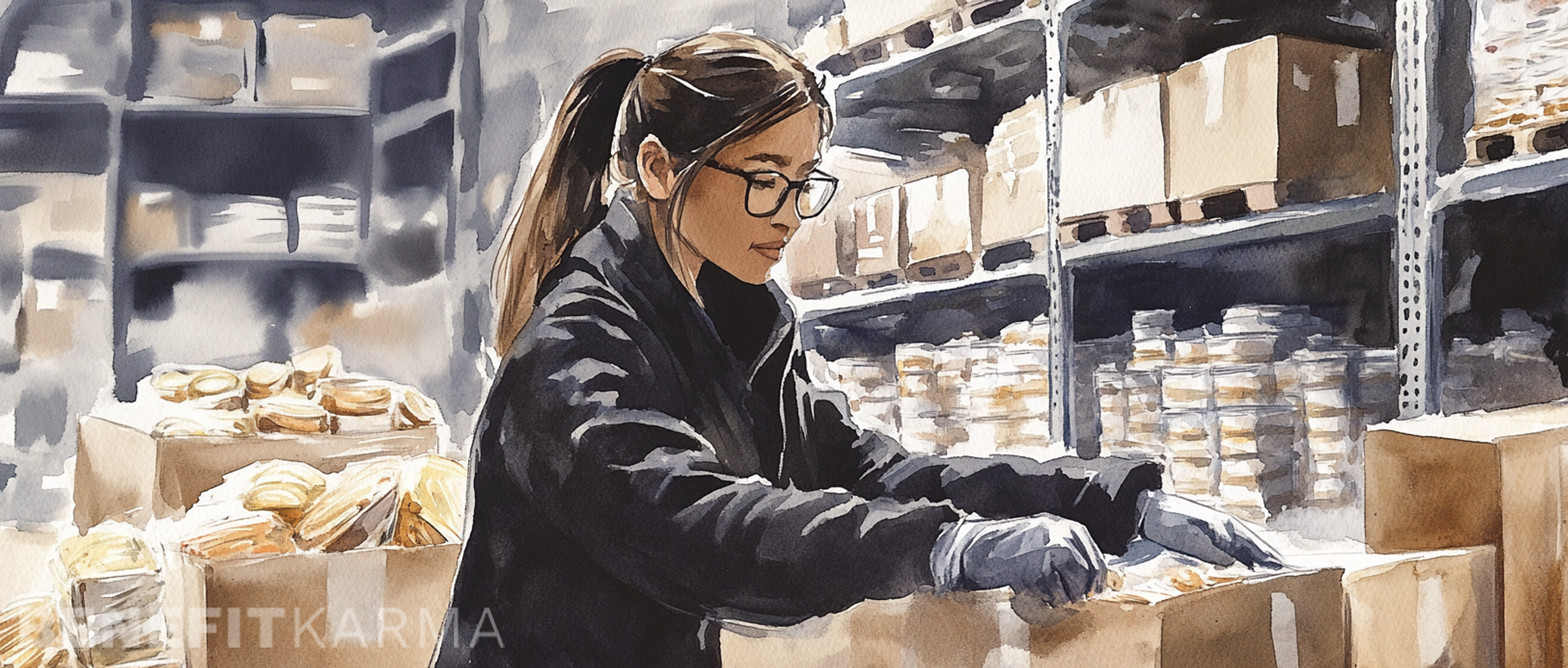 Getting access to nutritious food is one of the most essential needs, and several major programs help fill the gap for families and individuals struggling to afford groceries.
Supplemental Nutrition Assistance Program (SNAP)
SNAP, formerly called food stamps, is the largest food assistance program in the country. Benefits are loaded onto an EBT card and can be used at grocery stores, farmers markets, and some online retailers. Eligibility depends on income, family size, and state rules.
Women, Infants, and Children (WIC)
WIC provides healthy foods, nutrition education, and breastfeeding support for pregnant women, new mothers, and children up to age 5. Benefits typically cover items like milk, cereal, formula, fruits, and vegetables.
National School Lunch Program (NSLP) and School Breakfast Program
The school breakfast and school lunch programs ensure students from low-income families get free or reduced-price meals at school. For many children, it’s the most reliable source of daily nutrition.
Child and Adult Care Food Program (CACFP)
CACFP reimburses child care centers, after-school programs, and adult day care centers for serving healthy meals. Families benefit through better-quality food at lower costs.
The Emergency Food Assistance Program (TEFAP)
TEFAP provides free food through food banks, pantries, and community organizations. It supplements household groceries with staples like canned goods, pasta, and frozen foods.
Other Essentials
A few additional programs help with basic living needs that don’t fit neatly into housing, utilities, or food.
Temporary Assistance for Needy Families (TANF)
TANF provides short-term cash assistance to low-income families with children. Funds can be used for essentials like clothing, diapers, and transportation. States also offer work support and job training through TANF.
Community Services Block Grant (CSBG) Programs
Local organizations funded by CSBG programs often run community-based programs that provide essentials such as clothing closets, food pantries, and emergency housing help.