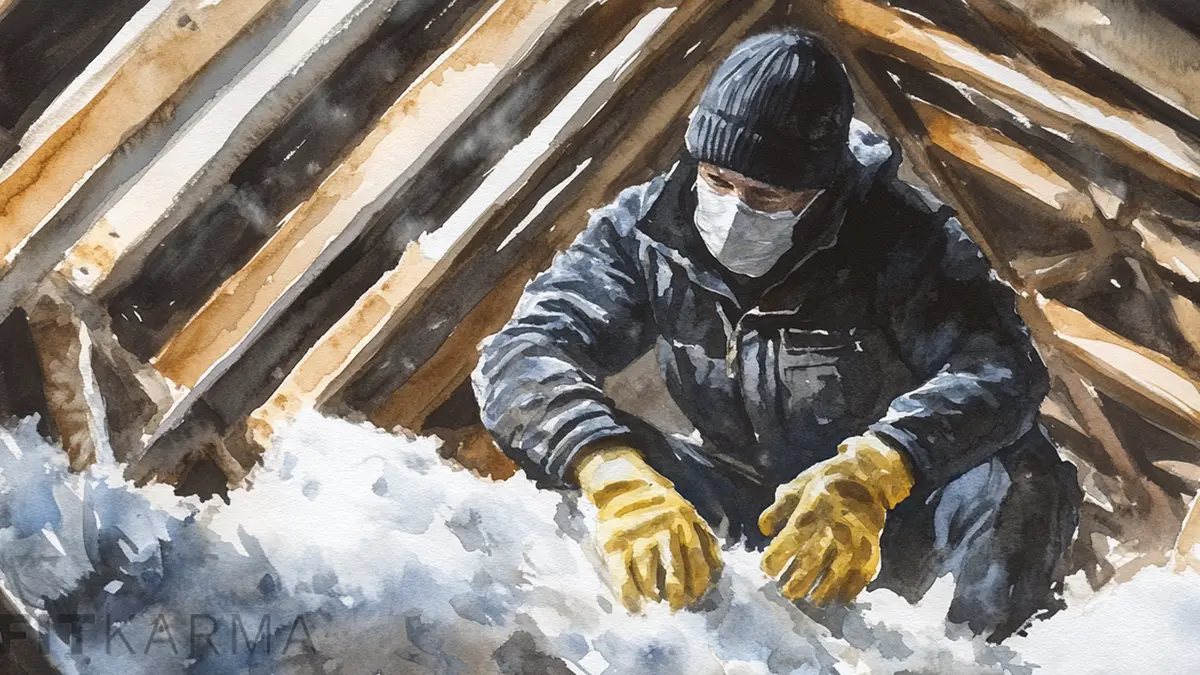
The Weatherization Assistance Program (WAP) helps low-income families cut their energy bills by enhancing their home's energy efficiency. Serving over 30 million households annually in the U.S., WAP provides free weatherization services that can include things like better insulation, upgraded windows, and more efficient heating systems.
Through WAP, a family struggling with high energy costs due to drafty windows or poor insulation could receive improvements that reduce energy consumption and lower their monthly utility bills. The program not only helps families save money but also makes homes more comfortable and safer.
If you're dealing with high energy expenses or need to improve your home's efficiency, WAP might be just what you need. Here’s a breakdown of how the program works, who qualifies, and how to apply for assistance.
To learn more about all the benefits available to you and your family, sign up now for BenefitKarma!
What is the Weatherization Assistance Program (WAP)?
WAP, funded by the U.S. Department of Energy, assists low-income households by making their homes more energy-efficient. The program provides services like home insulation, weather-stripping, and energy-efficient appliances. These upgrades help lower heating and cooling costs, improving overall home comfort.
How does WAP work?
The Department of Energy allocates funding to state and local agencies, which are responsible for conducting home assessments and identifying necessary improvements. Once the needed upgrades are approved, local contractors or weatherization experts carry out the work. The WAP provides these services at no cost to eligible households, ensuring a straightforward and accessible process for improving energy efficiency and reducing costs.
What does WAP cover, and how is it provided?
WAP offers various improvements, including:
Insulation: Up to 50% reduction in heating and cooling costs with added insulation in walls, attics, and floors.
Weather-stripping: Sealing gaps can save an average of 10% on energy bills.
Heating and cooling: Upgrading systems can lead to savings of 20-30% on energy costs.
Appliances: Installing energy-efficient appliances like refrigerators and water heaters.
Services vary based on your home’s needs and local resources. Typical improvements may include new insulation, a more efficient furnace, or upgraded windows.
Who is eligible for WAP?
Eligibility for WAP generally requires your household income to be at or below 200% of the Federal Poverty Level (FPL) — a number that adjusts based on your family size.
For example, in 2024, this means an annual income of up to $60,000 for a family of four. Some states or local agencies may have additional criteria, so check with your local WAP provider for specific guidelines.
