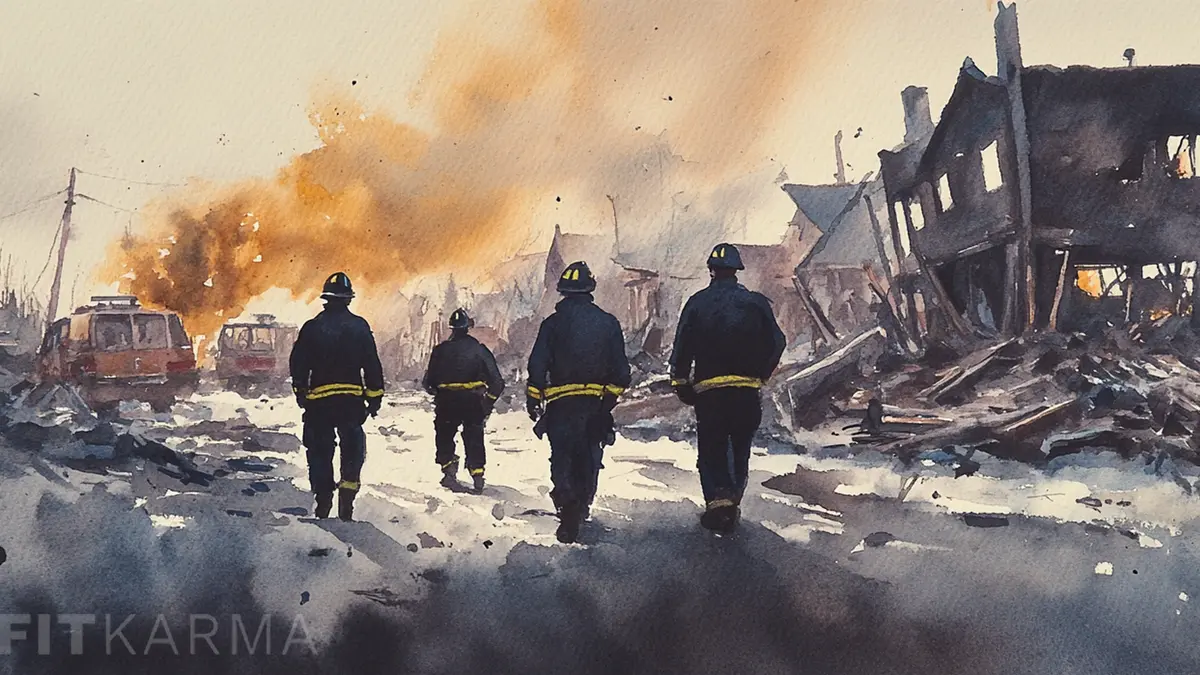
Disaster relief programs are crucial for individuals and communities affected by natural disasters, such as hurricanes, floods, wildfires, and earthquakes. These programs aim to provide immediate assistance and long-term recovery support to help victims rebuild their lives. Government benefits play a significant role in disaster response, offering financial aid, housing assistance, and other essential resources to help individuals and families recover.
In the wake of a disaster, navigating the available relief options can be overwhelming. Various federal, state, and local programs are designed to assist the general public during these challenging times. Understanding what benefits are available can make a substantial difference in recovery efforts and ensure affected individuals receive the support they need.
To learn more about the benefits and programs that can help you and your loved ones, subscribe to BenefitKarma!
Types of Disaster Relief Benefits Available
When disaster strikes, several types of relief benefits are available to help individuals and communities recover and rebuild. These programs provide crucial support, from financial assistance to housing aid, ensuring that those affected can start the process of recovery as soon as possible.
Federal Emergency Management Agency (FEMA) Assistance
Individual Assistance (IA): FEMA provides financial assistance to individuals and households affected by disasters. This includes funds for temporary housing, home repairs, and other disaster-related expenses.
Public Assistance (PA): This program helps state and local governments with the costs of debris removal and emergency protective measures, ensuring communities can quickly recover and rebuild.
Disaster Unemployment Assistance (DUA)
DUA provides unemployment benefits to individuals who lose their jobs due to a major disaster. This assistance is available for those who are not eligible for regular unemployment insurance.
Who qualifies: Affected individuals must apply through their state unemployment office and meet specific eligibility criteria related to the disaster.
Small Business Administration (SBA) Disaster Loans
The SBA offers low-interest loans to businesses affected by disasters. These loans can help cover the costs of repairs and replacements for damaged property.
Who qualifies: Small businesses, private non-profits, and some agricultural cooperatives may qualify for these loans, provided they meet certain requirements.
