
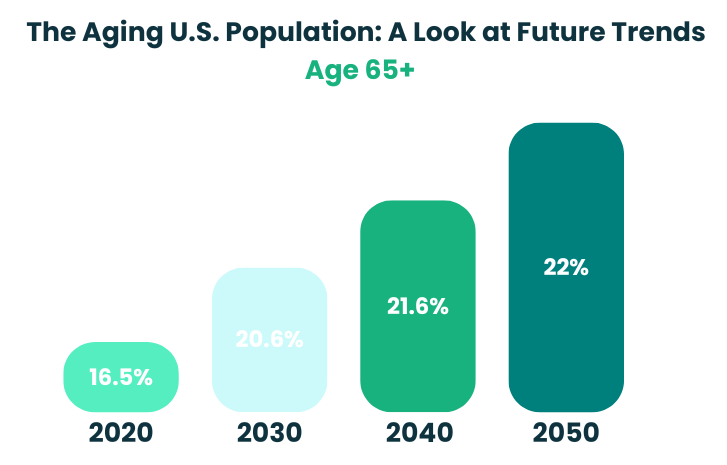
By 2050, it is projected that more than 22% of the U.S. population will be 65 years or older, up from 16.5% in 2020.
As your loved ones age, ensuring they have a safe, comfortable, and supportive living environment becomes a top priority. However, finding the right senior housing solution can be a complicated and overwhelming process. With so many options available—ranging from independent living communities to nursing homes—it’s difficult to know where to start. The anxiety of navigating these choices can leave families feeling unsure and stressed.
Fortunately, understanding the different types of senior housing and the assistance programs available can help simplify the decision-making process, ensuring your loved one receives the care and comfort they deserve. In this blog, we’ll walk you through the various senior housing options and how to choose the best one for your needs.
Key Takeaways:
Variety of Options: Senior housing offers various living options, including independent living, assisted living, nursing homes, and memory care facilities, each tailored to different needs.
Senior Housing Assistance: Programs such as Medicaid, Section 202 Housing, and state-specific services provide financial assistance to make senior housing more affordable.
Choosing the Right Fit: Understanding your loved one’s health, preferences, and financial situation is crucial when selecting the most suitable housing option.
Benefits of Senior Housing: Senior housing not only provides specialized care but also offers safety, socialization, maintenance-free living, and peace of mind for family members.
Cost Factors: The cost of senior housing can vary greatly based on location, level of care, and facility type, with resources available to help offset expenses.
What are the different types of senior housing options?
 When it comes to senior housing, there are several options available depending on the individual's needs, health status, and personal preferences. The main types of senior housing include:
Independent Living: Ideal for seniors who are largely independent but may want to downsize or live in a community that provides amenities like housekeeping, meals, and social activities. Independent living communities offer private apartments or homes with support services available.
Assisted Living: For seniors who need help with daily activities such as bathing, dressing, and medication management, but do not require full-time medical care. Assisted living communities offer a higher level of support while allowing residents to maintain some independence.
Nursing Homes: Also known as skilled nursing facilities, these are designed for seniors with significant health care needs, including those requiring constant medical care or rehabilitation. Nursing homes provide 24-hour nursing care, meals, and assistance with daily activities.
Memory Care: A specialized form of assisted living for individuals with Alzheimer's disease or other forms of dementia. Memory care units provide secure environments and specialized care to ensure residents' safety and well-being.
Continuing Care Retirement Communities (CCRCs): These communities offer a continuum of care, from independent living to skilled nursing care, allowing seniors to stay in the same community as their care needs change over time.
For more detailed information about senior housing options, you can refer to resources like the National Institute on Aging.
Related Article: Essential Guide to Senior Food Assistance
What are the benefits of senior housing?
 Choosing senior housing assistance offers numerous benefits, especially for older adults who may need help with daily tasks, medical care, or simply want to live in a more community-oriented setting. Here are some of the key benefits of senior housing:
1. Access to specialized care
In many senior housing communities, residents have access to on-site medical and personal care. This can include assistance with daily activities, medication management, and health monitoring. For seniors who need extra help but don’t require a nursing home, assisted living facilities offer a great balance of independence and care. Specialized services, such as physical therapy, rehabilitation, or memory care, are also available in some communities.
2. Enhanced safety and security
Senior housing communities often have built-in safety features such as handrails, emergency call systems, and 24-hour security to ensure residents' safety. In facilities like memory care units, the environment is specifically designed to prevent wandering and other risks associated with dementia and Alzheimer’s disease.
3. Socialization opportunities
Living in a senior housing community provides opportunities for socialization and engagement with others in similar age groups. Many communities offer organized activities like exercise classes, movie nights, and outings, which can help combat loneliness and promote mental well-being. Staying socially active has been shown to improve quality of life and reduce feelings of isolation.
4. Maintenance-free living
One of the biggest benefits of senior housing is the freedom from home maintenance. Whether it's lawn care, housekeeping, or repairs, many communities take care of these responsibilities, allowing seniors to enjoy their time without worrying about everyday chores. This makes living in a senior housing community convenient and hassle-free.
5. Access to amenities
Many senior living communities offer a range of amenities that cater to seniors’ preferences and needs. These can include on-site fitness centers, beauty salons, libraries, and even community gardens. For those who enjoy outdoor activities, some facilities have walking trails, swimming pools, and other recreational spaces.
6. Peace of mind for family members
Senior housing provides families with peace of mind, knowing their loved ones are living in a safe, well-maintained environment with access to care when needed. Families can feel confident that their seniors are receiving the appropriate level of assistance while still enjoying independence and a fulfilling lifestyle.

 Senior housing assistance refers to financial support or programs designed to help older adults find affordable housing or pay for housing costs. Several programs and resources are available to help seniors access housing options:
 To find senior housing assistance options in your area, you can use online directories, consult local agencies, or get in touch with senior housing referral services. Websites like
