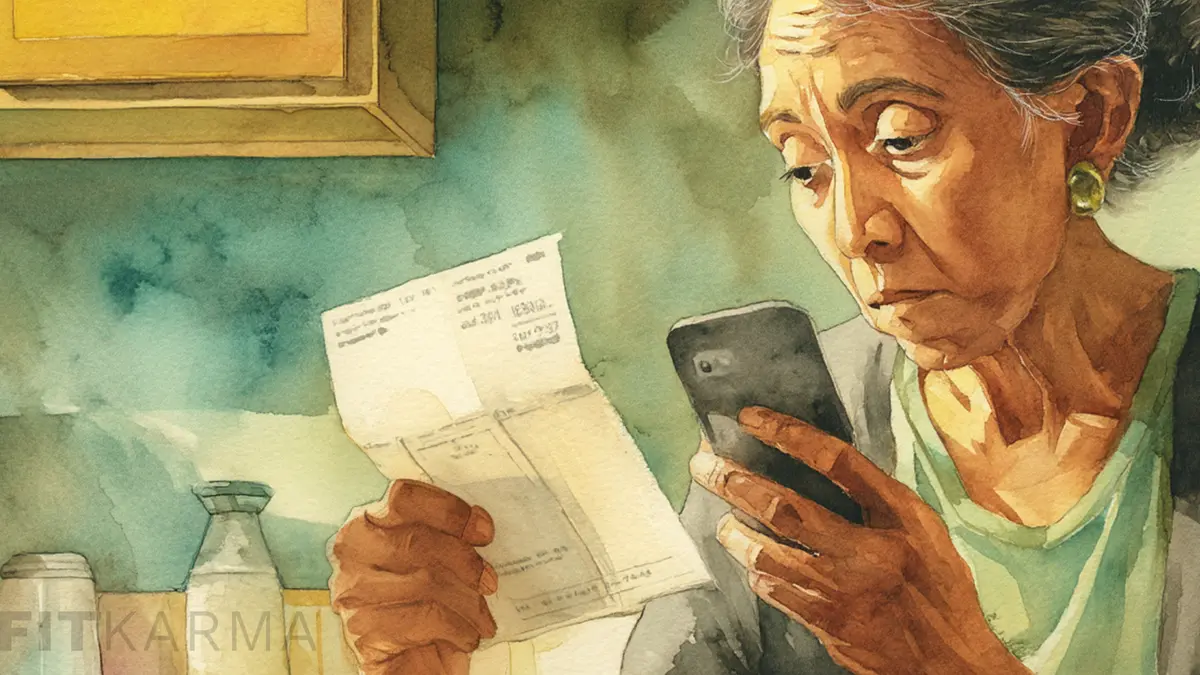
The federal government is moving to digital payments — fast. A new Presidential Executive Order signed on March 25, 2025, directs all agencies to stop using paper-based payments and move toward electronic transactions by Sept. 30, 2025. That means things like Social Security benefit checks, disaster relief funds, and other government payments will soon be sent electronically by default.
But here’s the good news: if you don’t have a bank account, can’t access electronic payments, or are in a unique situation (like a national security role), you won’t be left behind. The order includes several important exceptions and ensures that alternative payment options will still be available.
To stay up to speed on all benefits-related topics, subscribe to BenefitKarma for free!
Why is the government moving away from paper checks?
The government is making this move to digital payments for a simple reason: it’s a lot cheaper and arguably more efficient. Cost-wise, sending a paper check costs the government over $1 per payment — thanks to printing, envelopes, postage, and all the manual handling involved.
Meanwhile, digital payments like direct deposit cost as little as 1 or 2 cents per payment. That may not sound like much, but when you consider the millions of checks sent out for things like Social Security, tax refunds, and veterans’ benefits, the savings add up fast. Experts say the U.S. could save an estimated $750 million a year just by going fully digital.
It’s not just about cost, though. Paper checks also come with a higher risk of fraud, theft, and lost payments. Digital payments are faster, more secure, and easier to track — which helps both the government and the people receiving them. This push is part of a larger effort to modernize outdated systems and make federal payments more efficient overall. A 1999 law already required most payments to go digital, and now, this new executive order is aimed at closing the remaining gaps.
Are there any potential downsides to this switch?
The shift to digital payments could disrupt how tens of millions of Americans access their money — especially those without reliable access to banks or the internet. About 5.9 million U.S. households are unbanked, and another 18.7 million are “underbanked,” meaning they rely heavily on check-cashing services, money orders, or cash. For them, the move to digital could mean delays, confusion, or even missed payments if they can't quickly adapt.
While digital payments are meant to be faster and more secure, the transition could widen the gap for low-income households, older adults, people with disabilities or serious medical needs, or those in rural areas who may struggle with technology or lack internet access. Mistakes in setup or system failures could also lead to lost benefits or fraud.
So will people without the ability to receive digital payments miss out on benefits checks?
This new order makes sure that doesn’t happen. Specifically, it allows exceptions for:
