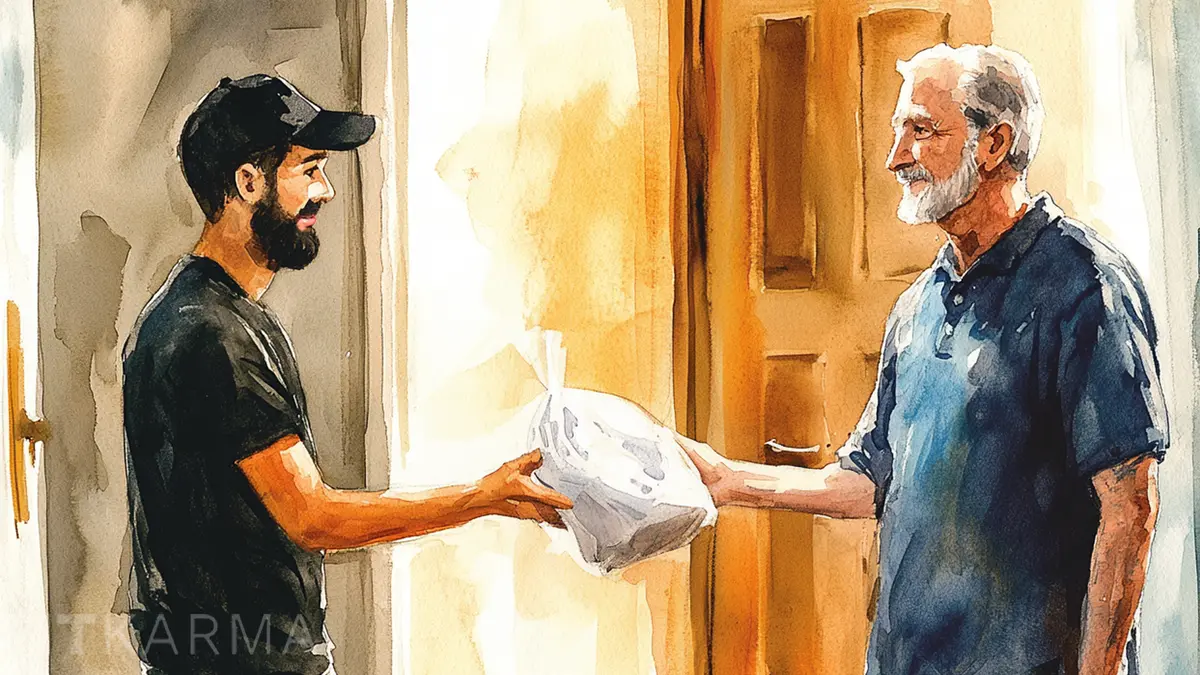
Meals on Wheels is a lifeline for seniors who find cooking and grocery shopping challenging. This essential service delivers nutritious meals right to their doorstep, helping seniors maintain their health and independence. But Meals on Wheels does more than just provide food — it plays a crucial role in reducing food insecurity among older adults, improving overall well-being, and even lowering hospital visits. Plus, the social interaction that comes with each delivery offers companionship and a friendly check-in, which is especially important for those living alone.
Meals on Wheels is more than just a meal delivery program; it’s a key resource that strengthens community connections and ensures no senior goes hungry. By ensuring regular meals, the program helps reduce the risk of malnutrition and related health problems. The social interaction from volunteers helps combat feelings of loneliness and isolation, which can lead to depression and anxiety in older adults.
These friendly check-ins also provide peace of mind, knowing someone is looking out for them regularly. If you or someone you know could benefit from Meals on Wheels, read on to learn about how the program works.
To learn more about all the benefits available to you and your family, sign up now for BenefitKarma!
What is Meals on Wheels?
Think of it like free or cheap Doordash for seniors only (and with homecooked meals)! Meals on Wheels is a community-based program that provides home-delivered meals to seniors who may have difficulty preparing meals for themselves. Volunteers deliver these meals, ensuring that seniors receive not just nourishment but also a friendly face and a moment of social interaction. This program is a lifeline for many, helping them stay nourished and connected.
Who can access Meals on Wheels?
Try it: Benefit Eligibility Screener
Check senior benefits and tax-relief programs you may qualify for.
Meals on Wheels is available to seniors aged 60 and older who struggle with grocery shopping or cooking due to health or mobility issues. Eligibility varies by location, and many programs also serve individuals with disabilities or those recovering from illness. Since services and availability differ by community, it’s best to contact your local Meals on Wheels office for details on qualifying and what’s offered in your area.
