The Big Benefits of Veteran-Owned Businesses
Learn about tax benefits, SBA programs, and certification requirements for veteran-owned businesses. We've got the details!

Free DIY tool
VA Claim Readiness Score
Is my VA claim ready to file? Answer 4 quick questions and get a readiness score with next steps.
Try the free toolAccording to data from the U.S. Census Bureau and the Small Business Administration (SBA), veterans own approximately 1.6 million businesses across the country. This accounts for about 4.3% to 4.5% of all firms in the United States, generating a total revenue of $1.0 trillion.
Despite their significant presence, many face challenges in gaining visibility and accessing essential resources and funding.
This lack of recognition limits opportunities for veteran entrepreneurs and prevents consumers from supporting businesses that bring unique perspectives and resilience to the marketplace. Many are also unaware of the valuable tax advantages and benefits that can enhance the growth potential of these enterprises.
In this article, we’ll provide a concise overview of the advantages of veteran-owned businesses, their contributions to economic growth and community strength, and outline the resources available to veteran entrepreneurs. By supporting these businesses, everyone can help foster a more inclusive and robust economy.
What qualifies as a veteran-owned business?

A veteran-owned business is a company that is at least 51% owned, operated, and controlled by one or more veterans who have served in the U.S. military. Being a veteran-owned small business comes with numerous benefits that can enhance growth and success. These advantages include:
- Access to Government Contracts: Eligibility for set-aside and sole-source federal contracting opportunities reserved exclusively for certified VOSBs and SDVOSBs.
- Tax Incentives: Federal hiring credits (like the Work Opportunity Tax Credit) and state-level tax exemptions.
- Access to Federal Surplus Property: Ability to obtain federal equipment, vehicles, and tools at little to no cost.
- Networking & Mentorship: Access to specialized training and advisory resources through local Veterans Business Outreach Centers (VBOCs).
- Increased Credibility: Veteran certification enhances trust with commercial clients and prime government contractors.
These benefits not only help veteran-owned businesses thrive but also contribute positively to the economy and community.
What are the tax benefits for veteran-owned businesses?

Veteran-owned businesses can access a range of tax benefits that enhance their financial stability and growth potential. These may include:
- Work Opportunity Tax Credit (WOTC): A federal tax credit available to employers who hire eligible veterans, offering up to $9,600 per qualified new hire depending on target group criteria (e.g., unemployed or service-disabled veterans).
- Standard Business Deductions: Full deductions on startup costs, machinery, software, and operational expenses under IRS rules.
- State-Level Incentives: Many states offer complete or partial exemptions on state income taxes, franchise taxes, or business license fees for certified veteran entrepreneurs.
What are the requirements for veteran small business loans?
To qualify for veteran small business loans, such as SBA 7(a) or Express loans, applicants must meet several key requirements. These typically include:
- Veteran Status: Proof of service, such as a DD-214 form, to verify veteran status.
- Business Structure: The business must be at least 51% owned and operated by veterans.
- Business Plan: A comprehensive business plan outlining objectives, market analysis, and financial projections.
- Creditworthiness: A solid credit history and score to demonstrate financial responsibility.
- Collateral: Depending on the lender, collateral may be required to secure the loan.
By meeting these requirements, veteran entrepreneurs can access funding opportunities that support their business growth and sustainability.
Does the SBA support veterans?

Yes! The Small Business Administration (SBA) hosts a dedicated Office of Veterans Business Development (OVBD) that offers counseling, funding access, certification management, and mentorship through regional Veterans Business Outreach Centers (VBOCs) across the country.
Free DIY tool
VA Claim Readiness Score
Is my VA claim ready to file? Answer 4 quick questions and get a readiness score with next steps.
Try the free tool
How can an SBA program help a veteran business?
SBA programs offer specialized support tailored to military entrepreneurs:
- Boots to Business (B2B): Entrepreneurial training offered on base as part of the Transition Assistance Program (TAP) or online for military spouses and veterans.
- SBA Express Loans: Reduced upfront guaranty fees for eligible veteran-owned businesses borrowing up to $500,000.
- VBOC Business Counseling: Free assistance with business plan writing, market analysis, financial modeling, and government procurement preparation.
How to qualify for a veteran-owned small business certification
All VOSB and SDVOSB certifications are centralized under the SBA’s VetCert program (veterans.certify.sba.gov). Self-certification is no longer accepted for federal contracting.
To qualify and apply:
- Register your entity on SAM.gov to receive your Unique Entity ID (UEI).
- Confirm 51%+ direct ownership and active operational control by an honorably discharged veteran (or service-disabled veteran for SDVOSB).
- Submit your application and required documentation (operating agreements, tax filings, military records) through the SBA VetCert portal.
Can a veteran-owned small business get a VA contract?
Yes. Under the VA's Veterans First Contracting Program, the Department of Veterans Affairs sets aside a significant portion of its procurement budget specifically for certified VOSBs and SDVOSBs. Certified businesses get top priority for VA prime contracting and subcontracting opportunities.
What is the Veterans Small Business Enhancement Act?
The Veterans Small Business Enhancement Act aims to provide veteran-owned businesses with increased access to government contracting opportunities and other resources. This legislation plays a crucial role in promoting economic empowerment for veterans.
Should I own a business as a veteran?
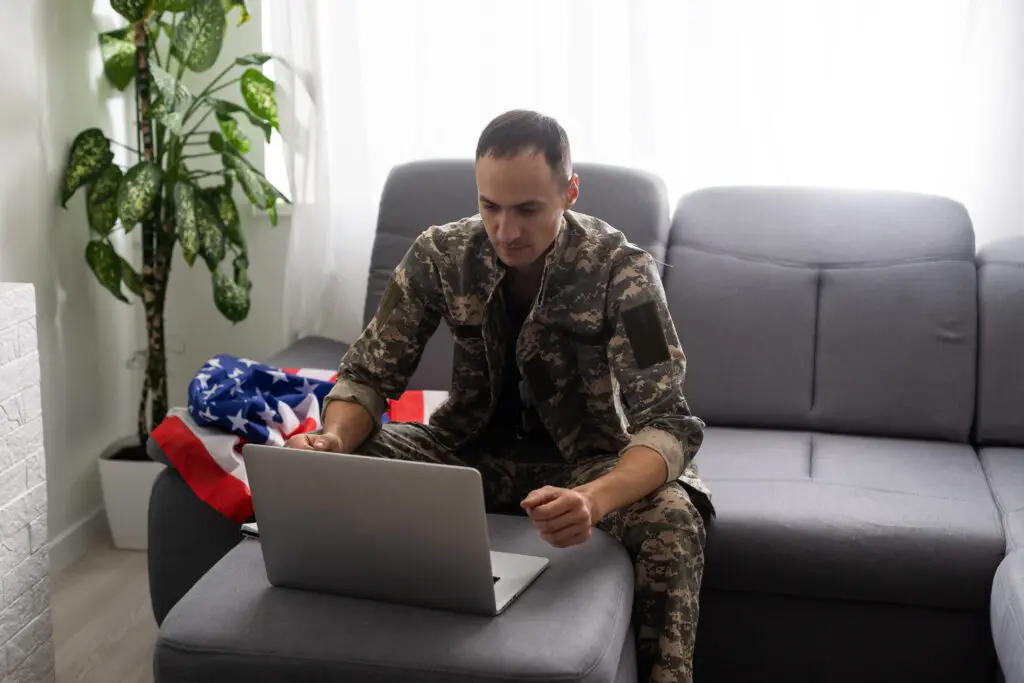
Ultimately, whether to own a business as a veteran is a personal decision that depends on your unique circumstances, skills, and passions. With the right resources and determination, starting a business can provide a fulfilling opportunity to contribute to your community while honoring your service.
- Assess Your Skills and Experience: Leverage valuable skills from military service, such as leadership and strategic thinking.
- Understand Your Passion: Choose a business that aligns with your interests to maintain motivation and commitment.
- Evaluate the Risks: Consider your financial situation, market conditions, and personal circumstances before starting.
- Access Resources and Support: Take advantage of veteran-specific resources, including mentorship programs and funding opportunities.
- Long-Term Commitment: Be prepared for the time and effort required; entrepreneurship demands perseverance and dedication.
Related Article: Unlocking Your Future: Career Services for Veterans
Why should you support veteran-owned businesses?
Supporting veteran-owned businesses is a meaningful way to honor the sacrifices made by those who have served in the military. These businesses often embody values such as discipline, leadership, and resilience, which can lead to unique and high-quality products and services.
By choosing to support veteran entrepreneurs, consumers not only help stimulate local economies but also contribute to the growth of diverse perspectives in the marketplace.
Overall, many veteran-owned businesses offer special programs and initiatives that benefit the community, making individuals’ support a direct investment in a stronger and more inclusive society. In essence, by supporting veteran-owned businesses, one is making a conscious choice to uplift those who have dedicated their lives to serving others.
Not sure what you qualify for?
A quick conversation can help you understand your options.
Optional — no obligation, fees may apply
Want help figuring out your next step?
Optional — fees may apply depending on your situation.
Some people choose to talk to a professional before taking their next step.
This might sound familiar:
You're not sure what to do next
You want someone to walk through your options
The process feels overwhelming
If that sounds like you, this might be worth a quick look.
Takes less than a minute
We only share your info with a service provider if you say yes.
Recommended Tools
Take action with our free tools
Get More from BenefitKarma
Create a free account to unlock all features
- Access premium benefit tools
- Personalized benefit matching
- Your personalized dashboard
Common questions about this guide
Get more from BenefitKarma
Free tools, personalized dashboard & more
