

SSDI for Construction Workers: What Your Years on the Job Could Mean
Years in construction can take a toll. Learn how Social Security Disability Insurance works for construction workers, what SSA considers, and what to know before applying.
Updated
📚 What you'll learn
- ✓What Is SSDI?
- ✓Why Construction Work Matters in an SSDI Claim
- ✓How SSDI Eligibility Works
- …and 8 more
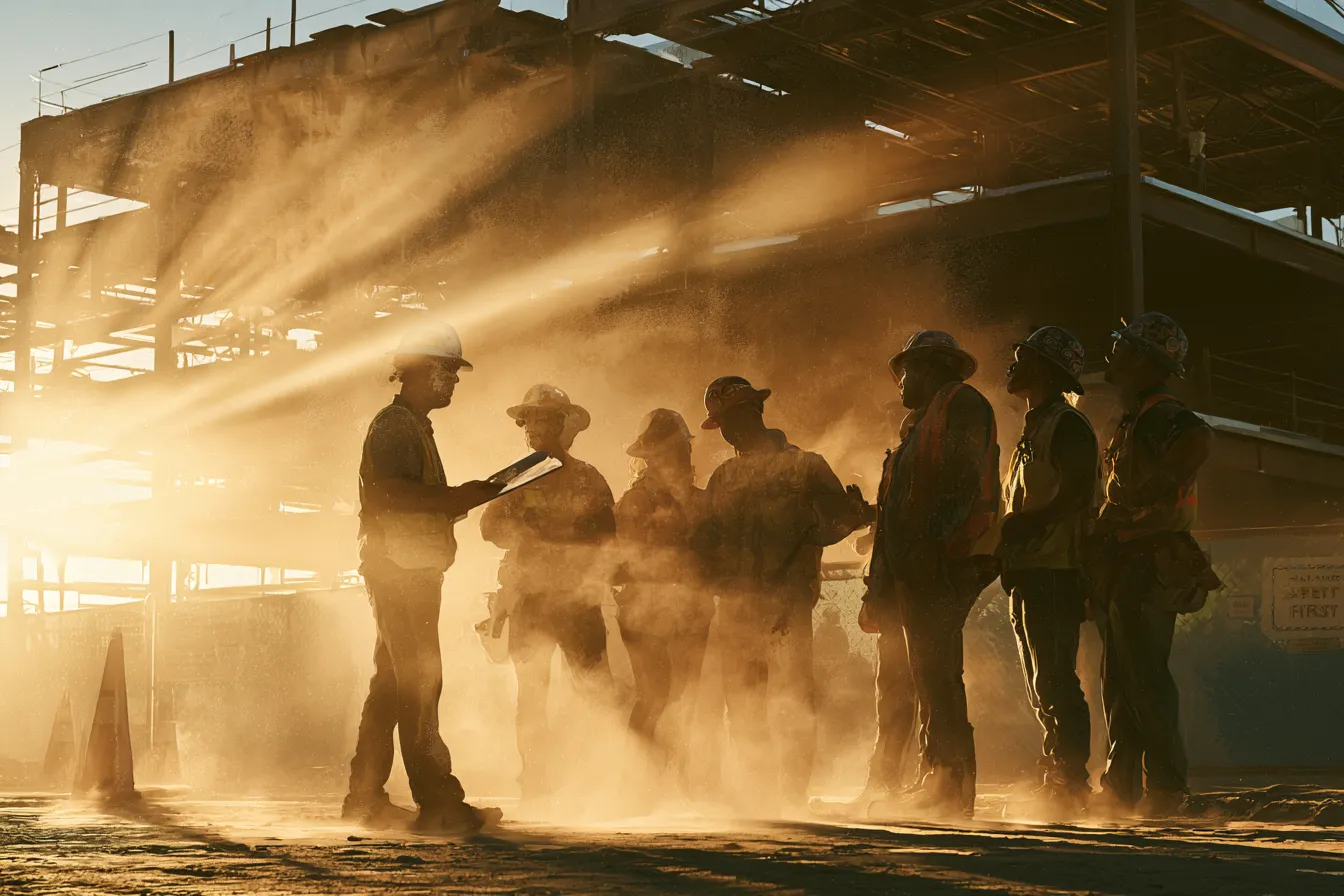
You spent years on the job site. Framing, roofing, pouring concrete, running equipment, working a trade — whatever the job, you showed up and did the work.
Now a health problem may be making that work difficult or impossible. Maybe it's your back. Maybe it's your knees, shoulders, or hands. Maybe several conditions have added up over time.
If your health is keeping you from working, Social Security Disability Insurance, or SSDI, may provide monthly benefits. This guide explains how SSDI works for construction workers, what Social Security looks at, and what you can do next.
If you want a quick look at the basic eligibility requirements, you can also use our free SSDI checker.
What Is SSDI?
Social Security Disability Insurance is a federal benefit for people who have worked and paid Social Security taxes but can no longer maintain substantial work because of a qualifying disability.
SSDI is based on your work history. It isn't a needs-based program, so your savings and household assets generally aren't what determine whether you qualify.
If you worked as a W-2 employee, Social Security taxes were typically withheld from your paychecks. If you were self-employed or worked as an independent contractor, earnings on which you paid Social Security self-employment taxes can also count toward SSDI eligibility.
SSDI is different from Supplemental Security Income, or SSI. SSI has financial eligibility requirements and doesn't require the same work history. Some people may qualify for one program, while others may qualify for both.
Why Construction Work Matters in an SSDI Claim
Construction can place significant demands on the body.
A construction job may require lifting, carrying, climbing, kneeling, crouching, reaching, standing for long periods, operating equipment, using repetitive hand movements, or working around vibration, noise, heights, and other hazards.
Research has also found a relationship between physically demanding occupations and later SSDI receipt. One national study found that older workers whose longest-held occupation was in construction had substantially higher odds of receiving SSDI than workers whose longest-held occupation was in management.
That doesn't mean construction workers automatically qualify for SSDI. Social Security evaluates your individual medical condition, functional limitations, work history, age, education, and other vocational factors.
But the actual physical demands of your construction work matter.
How SSDI Eligibility Works
There are two basic pieces to SSDI eligibility: your work record and your disability.
Your work record
You must have worked long enough — and recently enough — in jobs covered by Social Security.
The exact number of work credits you need depends on your age when your disability began. Many workers age 31 or older need at least 20 credits earned during the 10 years immediately before their disability began, although the total number of credits required increases with age. Younger workers may qualify with fewer credits.
W-2 employment can earn Social Security work credits. Self-employment can too, as long as the earnings were reported and Social Security self-employment taxes were paid.
Your disability
Social Security has a strict definition of disability.
Your medical condition must keep you from performing substantial gainful activity, prevent you from doing your past work or adjusting to other work, and have lasted — or be expected to last — at least 12 consecutive months or result in death.
SSDI does not provide benefits for partial or short-term disability.
Why Your Work History Matters
Social Security doesn't decide disability based only on your diagnosis.
It also considers what your medical condition still allows you to do.
If you can't do your past work, Social Security considers whether you can adjust to other work that exists in significant numbers in the national economy. Your age, education, work experience, skills, and physical and mental limitations can all be part of that decision.
That can be particularly important for someone who has spent years doing physical work.
A carpenter with serious back and shoulder limitations has a different work history from someone who has spent a career behind a desk. A roofer who can no longer climb, carry materials, bend, or work safely at heights may face different vocational questions than someone whose previous work was sedentary.
Social Security generally considers work performed during the previous five years when determining whether you can still perform your past relevant work.
Health Problems That May Affect Construction Workers
There isn't a special list of conditions that automatically qualifies construction workers for SSDI. What matters is how severe your condition is and how it limits your ability to work.
Conditions that may interfere with construction work include:
- Back and spine problems, including herniated discs, degenerative disc disease, spinal stenosis, and other conditions that limit lifting, bending, standing, or walking.
- Knee, hip, and shoulder problems, including arthritis, joint damage, and limitations following surgery or joint replacement.
- Nerve damage and carpal tunnel syndrome, which can affect gripping, handling tools, lifting, and repetitive hand movements.
- Hearing loss, particularly when it affects communication or safe work around equipment and job-site hazards.
- Chronic pain and complications from previous injuries, especially when pain or treatment limits physical activity, concentration, or attendance.
Social Security considers the medical evidence and the limitations caused by your condition — not simply the name of the diagnosis.
Not Sure If Your Situation Fits?
You don't have to figure out the entire Social Security rulebook before taking the next step.
Our free SSDI checker asks a few questions about your work history and health to help you understand whether you may meet some of the basic requirements.
It takes about two minutes. It isn't an application and doesn't determine whether Social Security will approve your claim.
How the SSDI Application Process Works
If you decide to apply, the process generally looks like this:
- You submit an application. You can apply through Social Security online, by phone, or with help from a Social Security office.
- Your claim is reviewed. Social Security confirms your non-medical eligibility, and the disability determination process considers your medical evidence and information about your work.
- You receive a decision. Social Security will tell you whether your initial claim was approved or denied.
- You can appeal a denial. If your claim is denied, you generally have the right to ask Social Security to review the decision.
The process can take time. Complete information about your medical treatment, limitations, and work history can help Social Security evaluate your claim.
Medical Evidence Matters
A diagnosis by itself doesn't necessarily show Social Security what you can and can't do.
Your medical records can help document things such as:
- How far you can walk or how long you can stand
- How much you can safely lift or carry
- Whether you can bend, kneel, crouch, or climb
- Whether you can reach overhead or use your hands repeatedly
- How pain affects concentration or pace
- Whether medications cause side effects
- How often treatment or symptoms would interfere with a normal work schedule
For someone who has spent a career in construction, those details can matter as much as the diagnosis itself.
SSDI Is Insurance You Paid Into
Applying for SSDI can be difficult for someone who has spent years working through pain, injuries, and long days.
But SSDI isn't a handout. It's an insurance program funded through Social Security taxes paid by workers and employers, along with self-employment taxes paid by people who work for themselves.
If a long-term disability now prevents you from working, applying for SSDI means asking Social Security to determine whether you qualify for the insurance coverage your work helped earn.
Documents to Start Gathering
You don't need to have everything perfectly organized before you apply. But it can help to start gathering:
- Information about the jobs you've held during the past five years, including dates and duties
- Names and contact information for doctors, clinics, hospitals, and other medical providers
- Dates of treatment
- Test results, imaging, surgery records, or other medical records you already have
- A current medication list
- Information about workers' compensation or other disability benefits you receive
When describing your work, don't rely on the job title alone.
Explain what you actually did: how much you lifted, how often you climbed or knelt, what tools you used, how long you stood or walked, and the other physical demands of a normal workday.
How BenefitKarma Can Help
BenefitKarma provides free information and tools to help you understand your benefit options.
We don't decide whether you qualify for SSDI. Social Security does.
You can use our SSDI checker to learn more about the basic eligibility requirements. If you'd like additional help, you can also choose to connect with a carefully screened service provider who can talk through your situation with you.
Frequently Asked Questions
See Where You Stand
You put in the years. It's worth a few minutes to understand your options.
Take the free SSDI checker to see how your work history and current health line up with some of Social Security's basic requirements.
Sources
Want the official source? Here you go.
SSDI basics and work credits needed
Definition of disability, applying, and how decisions are made
Work credits, including self-employment
Disability definition and substantial gainful activity (SGA)
Five-year past relevant work period
Residual functional capacity, age, education, and work experience
SSDI and workers' compensation
Association between longest-held occupation and Social Security Disability Insurance benefits receipt
Quick note
BenefitKarma is not part of the Social Security Administration. We don't decide benefits. Our tools are self-serve and meant to make the process easier to understand. You choose what to do next.
Want help with your Social Security Disability claim?
Optional — fees may apply depending on your situation.
Some people choose to talk to a professional before taking their next step.
This might sound familiar:
You can't work because of a health problem
You're not sure if you qualify for SSDI or SSI
The Social Security process feels overwhelming
If that sounds like you, this might be worth a quick look.
Takes less than a minute
We only share your info with a service provider if you say yes.
Ready to take the next step?
Use BenefitKarma's free tools to move forward.
Self-serve tools. You control what happens next.
Ready to take the next step?
Use our free tools to help you navigate the process with confidence.
