If getting to a food pantry or grocery store (or getting your SNAP benefits) feels impossible, there’s a new kind of delivery service that could help. It’s called Project DASH, and it’s powered by DoorDash. But instead of restaurant meals, it helps deliver free groceries and essential goods from local nonprofits straight to people’s homes.
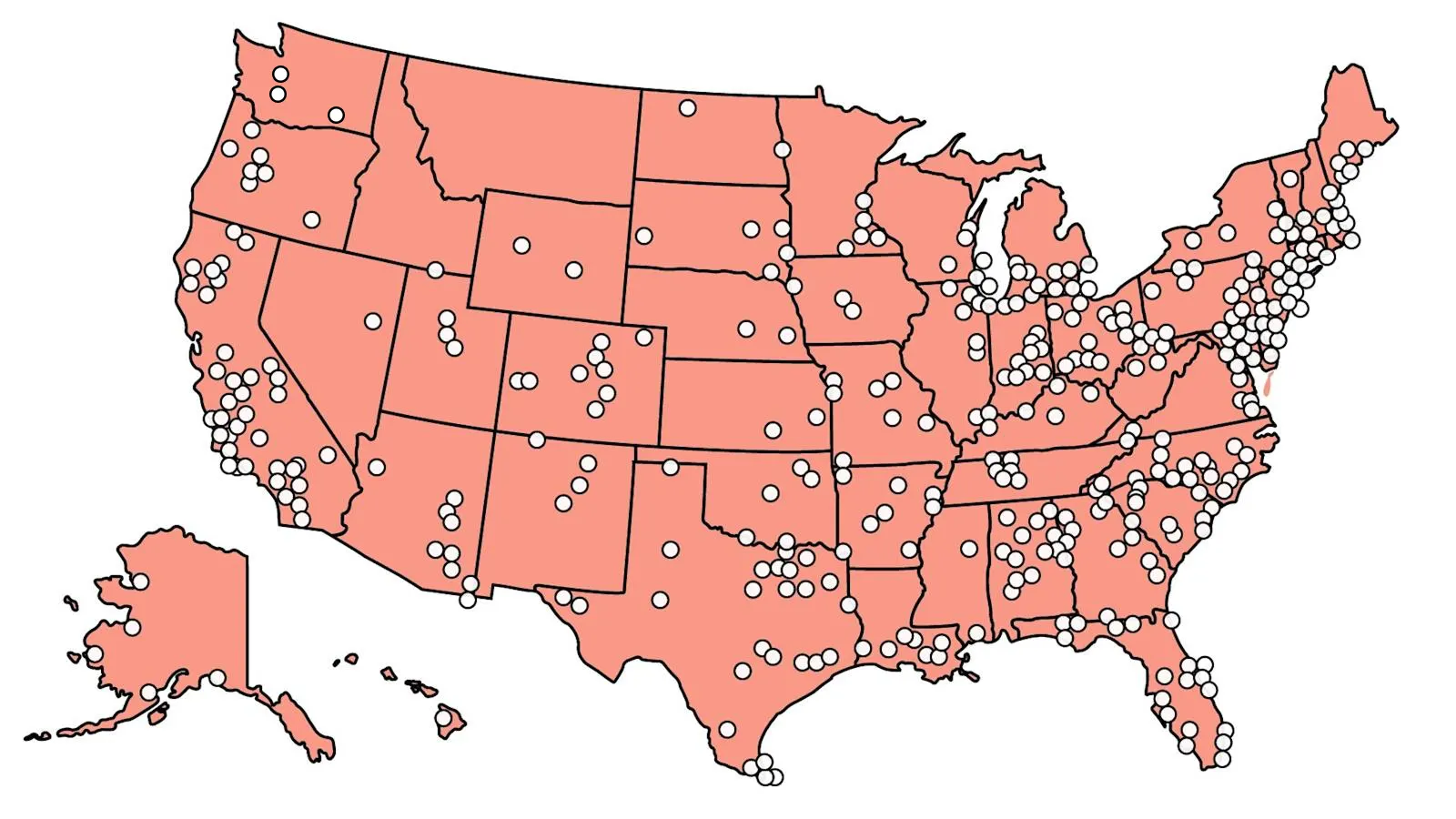
Since launching in 2018, Project DASH has completed more than 8 million deliveries, providing an estimated 135 million meals nationwide. For families with limited transportation, seniors with mobility issues, and individuals living in food deserts, it’s a small-but-mighty shift that makes nutritious food more accessible, and less stressful.
Want to stay in the know about new food and benefit programs like this? Join BenefitKarma to get updates and step-by-step guides on resources that can help your household finances stretch further.
What is Project DASH?
Project DASH (DoorDash Acts for Sustainability and Hunger) is a community delivery program that works with local food banks, pantries, and social-service agencies to bring food directly to people who can’t easily pick it up themselves.
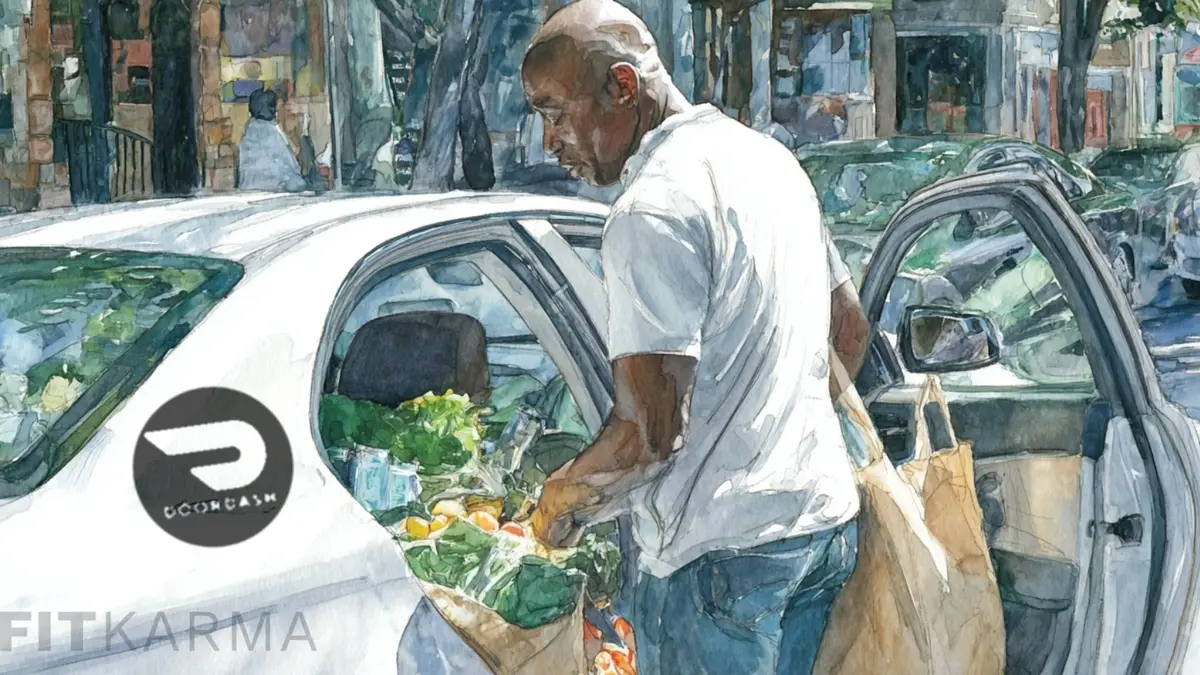
DoorDash provides the technology and delivery network, while nonprofit partners identify who needs help and schedule deliveries. Dashers, the same drivers who drop off restaurant orders, pick up food boxes from a community site and deliver them to homes.
It’s still DoorDash, just with a social mission: helping remove barriers that keep people from getting the food they need.
Who qualifies for Project DASH deliveries?
You don’t sign up with DoorDash directly. Instead, you’ll qualify through a local organization already working with Project DASH. Common partners include:
Local food banks or pantries that offer delivery options
Meals on Wheels and senior-nutrition programs
Community action agencies offering emergency food assistance
Health programs delivering “food as medicine” groceries to patients with chronic illnesses
Each partner sets its own rules; some may focus on seniors, others on low-income families or people without transportation.