As seniors age, finding affordable housing becomes an increasingly difficult challenge. Fixed incomes, rising rental prices, and limited availability of suitable housing options make it harder for many older adults to secure a safe and comfortable home. The fear of being unable to afford housing or being forced into substandard living conditions can lead to stress and uncertainty. However, there is a solution.
The U.S. government offers various affordable senior housing programs, such as the HUD Section 202 Program, that provide much-needed financial assistance and resources to help seniors live independently in safe, affordable environments. In this guide, we'll explore these programs, eligibility criteria, and application processes, helping you navigate the complex world of senior housing assistance with ease.
Key Takeaways:
HUD Section 202: Provides affordable housing for low-income seniors, including support for independent living.
Eligibility: Applicants must be 62+ years old, meet income requirements, and be able to live independently.
Application Process: Apply to available properties, but be aware of long waitlists due to high demand.
Other Programs: Consider Section 8, LIHTC, and Section 811 for additional assistance.
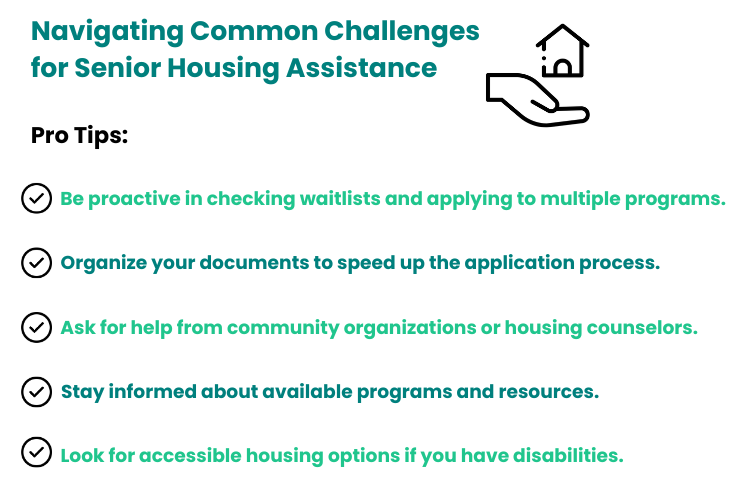
Overcoming Challenges: Apply to multiple programs, stay organized, and seek help from housing counselors to navigate the process.
What is the HUD Section 202 Program?
 The HUD Section 202 Supportive Housing for the Elderly Program is a federal program that provides affordable housing options to low-income seniors. It helps fund the construction, rehabilitation, and operation of rental housing specifically designed for elderly individuals. This program is administered by the U.S. Department of Housing and Urban Development (HUD) and aims to reduce housing costs for seniors while also offering supportive services to help them maintain their independence.
For more information about HUD Section 202, visit the HUD Official Page.
Who is eligible for the HUD Section 202 Program?
To qualify for HUD Section 202 housing, applicants must meet certain eligibility requirements:
Age: Applicants must be 62 years of age or older.
Income: The income level must be below the median for the area. Section 202 is designed for low-income seniors, and the exact income limits vary depending on the location and the size of the household.
Ability to live independently: The program targets seniors who can live independently but may need some assistance with daily activities.
If you're unsure whether you qualify, you can check income limits in your area by visiting HUD's Income Limits.
How do I apply for HUD Section 202 housing?
 Applying for HUD Section 202 housing involves a multi-step process:
Find Available Properties: HUD doesn’t directly manage the properties. Instead, the program funds private non-profit organizations and local public housing agencies. You can find Section 202 properties near you by visiting the HUD website or contacting a local housing authority.
Submit an Application: Once you've identified a property, you will need to submit an application to the property management or housing authority. They will evaluate your eligibility based on income, age, and other criteria.
Waitlist: Many HUD Section 202 properties have waitlists due to the high demand for affordable housing. The waitlist time can vary from months to years, depending on the location.
To get started, you can find Section 202 properties in your area through the Affordable Housing Online website.
Are there other affordable housing programs for seniors?
In addition to the Section 202 program, several other housing assistance programs are available to help seniors find affordable housing. Here are some of the most common options:
1. Housing Choice Voucher Program (Section 8)
The Housing Choice Voucher Program, commonly known as Section 8, helps low-income individuals and families, including seniors, pay for housing in the private rental market. Participants receive a voucher to cover part of their rent, while they pay the remainder. To qualify, applicants must meet income and other requirements set by their local Public Housing Agency (PHA).
To learn more about Section 8, visit the HUD Housing Choice Voucher Program Page.
2. Low-Income Housing Tax Credit (LIHTC)
The Low-Income Housing Tax Credit (LIHTC) program provides tax incentives to private developers who build or rehabilitate affordable rental housing, including for seniors. Although it is not a direct subsidy for renters, it does help lower-income seniors access affordable rental options. Many senior housing complexes across the country use LIHTC financing.
For more information about LIHTC, you can visit the National Council of State Housing Agencies (NCSHA).
3. Supportive Housing for Persons with Disabilities (Section 811)
For seniors with disabilities, the Section 811 Program provides rental assistance to help them live independently in the community. While this program is designed specifically for individuals with disabilities, it can also benefit seniors who need supportive services in addition to affordable housing.
 While programs like HUD Section 202 and Section 8 are great options for affordable rental housing, seniors may also want to consider other types of housing that are more suitable for their changing needs: